Szacowany czas czytania: 5 minut
For retailers, entrepreneurs, and established brands, private label tactical gear offers an effective strategy to gain market share, foster customer loyalty, and take control of your product offerings. By moving away from reselling standard items, you can develop a unique line that reflects your brand’s values and addresses the precise requirements of your customers.
Achieving success with private label products depends on more than just a good concept; it requires a reliable partnership with an experienced manufacturer. This guide explains the main steps and factors to consider when creating a private label tactical gear line, starting from the initial idea and leading to products ready for sale.
Private labeling allows you to transition from simply reselling to owning and shaping your brand, providing clear benefits that go beyond traditional wholesale arrangements.
Building Brand Strength and Standing Out in the Market : When your brand is on the product, it creates a direct connection with customers. This approach helps develop loyalty and supports higher profit margins, since you avoid direct price competition with the same generic items sold by others. Control Over Products and Opportunities for Improvement : You set the exact details of the design. For example, you can choose specific fabrics like 500D or 1000D Cordura, add custom elements, and adjust quickly to changes in customer preferences or industry trends, independent of a supplier’s standard lineup. Reliable Supply Chain Management : Working with a dependable manufacturer on exclusive products helps secure your stock flow. You can manage timelines, maintain quality levels, and ensure steady availability, which minimizes risks from disruptions in shared supply decisions.
The Development Process: From Idea to Finished Product
A clear, structured process with your manufacturing partner helps reduce uncertainties and keeps everyone aligned throughout the project.
Phase 1: Planning and Defining Specifications
In this starting phase, you turn your general ideas into a concrete plan.
Validating the Market and Understanding Users : Start by identifying your main audience, such as law enforcement officers, airsoft players, or outdoor adventurers like overlanders. Their preferences will guide choices in durability, storage options, and overall layout. Creating a Detailed Technical Outline : Prepare a reference document that covers materials, essential features (such as MOLLE/PALS webbing for modularity—learn more about MOLLE systems here ), sizes, and budget goals. This serves as the foundation for productive talks with your manufacturer.
Phase 2: Design, Testing Prototypes, and Adjustments
Here, the manufacturer’s knowledge plays a vital role in turning concepts into practical, buildable items.
Designing for Easy Production (DFM) : An experienced manufacturer will offer guidance on balancing function, strength, and cost. They might recommend tweaks to sewing patterns or fabric selections that enhance performance while staying close to your original plan. Step-by-Step Sampling : Follow this typical sequence to refine the product: Initial Prototype : This version checks the basic shape, fit, and usability, often using close-match materials rather than the finals.Pre-Production Sample (PP Sample) : Built with the precise final fabrics, colors, and methods, this one gets your full approval and establishes the standard for the entire run. Phase 3: Manufacturing and Quality Checks
Once the sample is approved, attention turns to producing items consistently at scale.
Quality Checks During Assembly : Factory teams perform ongoing reviews to verify even stitching, secure fittings, and correct material use as production moves forward. Final Batch Review (FRI) : Prior to shipping, a representative sample from the order is examined against the approved PP sample. This thorough check confirms that the full quantity meets the agreed quality. Key Qualities to Look for in a Private Label Tactical Gear Partner
Treat your manufacturer as a true collaborator, and assess them on factors that extend past the basic unit cost.
Full-Service Skills and Specialization : Confirm they focus on durable sewn products. Do they manage everything from sourcing fabrics to completing assembly for items like packs, vests, and modular pouches in the tactical gear category? Open Communication : Evaluate if their team responds promptly and understands technical details. They should be able to outline schedules, expenses, and any hurdles in straightforward terms. Standards for Ethics and Regulations : If these matter to your operations, check for audits like BSCI for fair labor practices and certifications for materials. For gear performance, ask about their testing methods.
AET: Your Trusted Partner for Private Label Tactical Gear
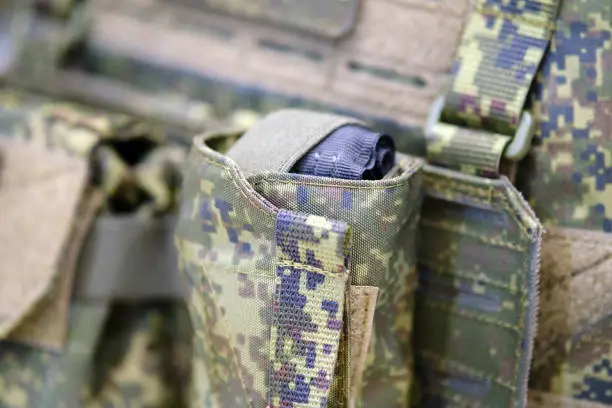
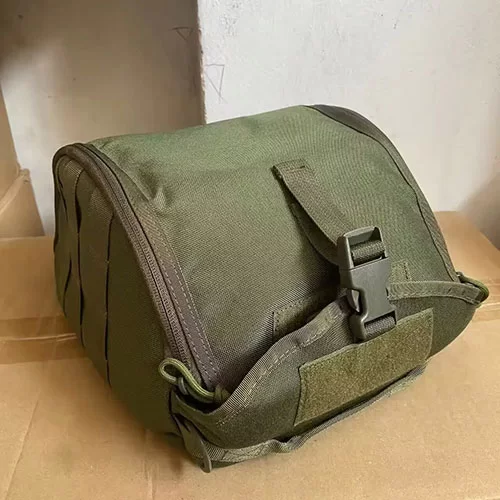
With over 15 years in the industry, we act as an integral part of our clients’ development efforts. We support brands at every stage of private label tactical gear creation, drawing on our expertise in customizing and producing a broad selection of products, including bags and packs , kamizelki , woreczki modułowe , miękkie futerały na broń , clothing, slings, holsters, and belts.
Tailored OEM/ODM Support : For OEM, we work from your complete technical specifications; for ODM, we contribute design ideas to refine your vision into reality.Complete Oversight of the Project : From picking materials and building prototypes to strict quality controls and shipping arrangements, we handle the details to get your products to market efficiently.Focus on Upholding Your Brand Standards : We recognize that the quality of items bearing your name directly affects your reputation. Our processes are designed to deliver reliable, high-performing gear that supports your goals. Interested in turning your ideas for private-label tactical gear into a ready-to-sell collection? Skontaktuj się z nami to talk about your project and get a full overview of our capabilities.
 Przejdź do treści