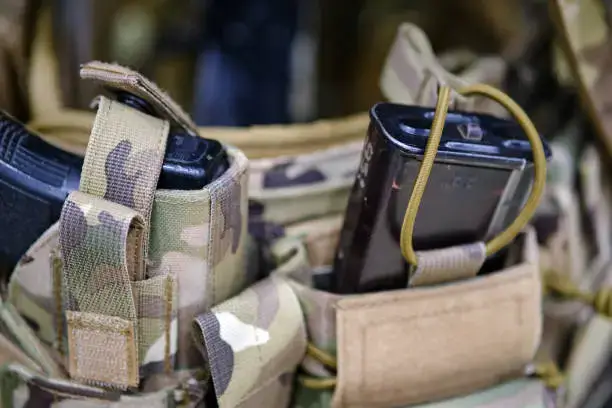
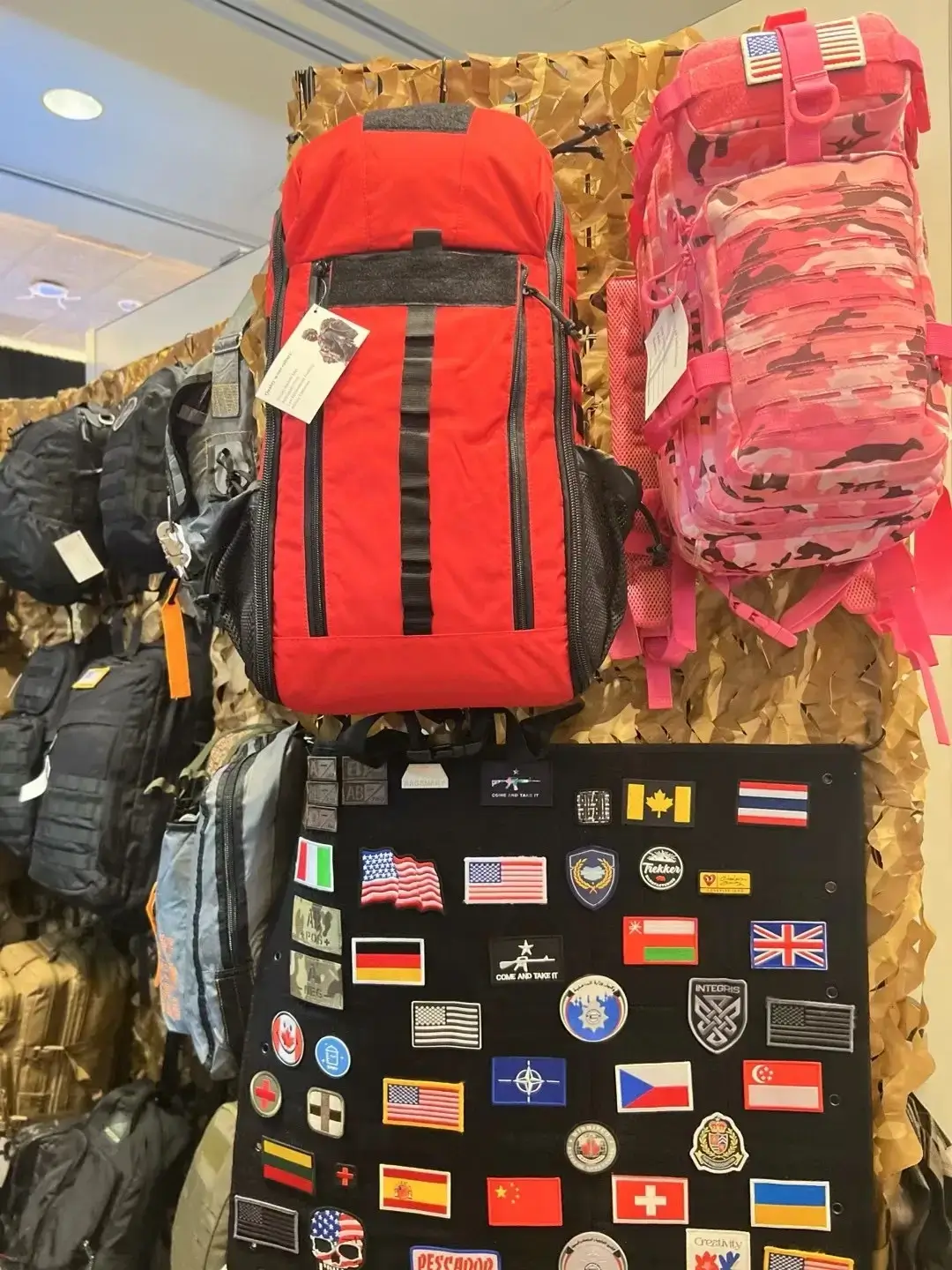
Ransel taktis ada di mana-mana saat ini. Anda akan menemukannya di kedai kopi, kampus, dan kantor perusahaan-bukan hanya di medan perang.
Tetapi bagaimana tas yang kokoh dan terinspirasi dari militer ini bisa menjadi bagian dari kehidupan sehari-hari? Jawabannya adalah sebuah kisah tentang inovasi, kemampuan beradaptasi, dan desain cerdas yang menjembatani kebutuhan untuk bertahan hidup dan kenyamanan modern.
Dalam artikel ini, kita akan membahas tentang sejarah desain ransel taktis , mengeksplorasi bagaimana fitur-fitur militer bertransisi ke penggunaan sipil, dan menyoroti mengapa para profesional dan penggemar alam bebas memujanya.
Apakah Anda seorang penggemar sejarah, kutu buku, atau hanya ingin tahu, Anda akan pulang dengan apresiasi baru untuk tas serbaguna ini.
Bagian 1: Akar Militer Ransel Taktis
Ransel taktis
Perang Dunia I dan II: Masa-masa Awal
Selama Perang Dunia I dan II, para tentara membawa tas kanvas dasar dengan pengaturan yang minimal. Tas-tas ini memprioritaskan daya tahan dan kapasitas di atas kenyamanan. Termasuk fitur-fitur utama:
Bingkai eksternal : Rangka logam atau kayu untuk mendistribusikan bobot.Kompartemen sederhana : Satu kantong besar untuk ransum, amunisi, dan peralatan.Sistem tali pengikat : Tali bahu dasar (tanpa bantalan!).
Fakta Menarik : “Paket hutan” M-1945 Angkatan Darat AS adalah pengubah permainan pada Perang Dunia II, dengan kanvas kedap air dan tali pengikat yang dapat disesuaikan untuk kondisi tropis.
Era Vietnam: Lahirnya Desain Taktis Modern
Perang Vietnam mendorong desain ransel ke depan. Para prajurit membutuhkan perlengkapan yang dapat menangani hutan, pergerakan cepat, dan misi yang tidak terduga. Hal ini menyebabkan:
Kain nilon : Kanvas yang diganti untuk menghasilkan bidikan yang lebih ringan dan kedap air.Prekursor MOLLE : Loop dan tali untuk memasang perlengkapan secara eksternal.Peningkatan ergonomis : Tali pengikat dan ikat pinggang yang empuk.
Ikonik Paket ALICE (All-Purpose Lightweight Individual Carrying Equipment), yang diperkenalkan pada tahun 1970-an, menjadi cetak biru untuk ransel taktis modern.
Desain modularnya memungkinkan para prajurit menyesuaikan perlengkapan mereka-sebuah konsep yang masih digunakan hingga saat ini.
Bagian 2: Tahun 1990-an hingga 2000-an: Taktis Bertemu dengan Sipil
Setelah Perang Dingin, perlengkapan militer yang berlebih membanjiri pasar sipil. Para penggemar alam bebas dan penyintas dengan cepat mengadopsi paket taktis karena daya tahannya. Namun pergeseran yang sebenarnya terjadi ketika merek-merek seperti 5.11 Taktis dan Maxpedition mulai merancang tas khusus untuk penggunaan sipil.
Inovasi Utama yang Menjadi Arus Utama
Anyaman MOLLE (Modular Lightweight Load-carrying Equipment) yang terdiri dari tali nilon yang diperkuat-memungkinkan pengguna untuk memasang kantung, perkakas, atau peralatan medis. Saat ini, MOLLE digunakan untuk segala hal, mulai dari botol air hingga kunci sepeda.
Sistem hidrasi tingkat militer (seperti CamelBak) menjadi populer di kalangan pejalan kaki dan pelari maraton.
Berbagai merek mulai membuat tas “pria abu-abu” yang terlihat seperti tas sipil namun memiliki fitur taktis.
Contoh : GoRuck GR1 menyerupai tas laptop yang ramping tetapi dapat menampung lebih dari 50 kg perlengkapan.
Bagian 3: Ransel Taktis Modern - Apa yang Membuatnya Menarik?
Ransel taktis masa kini memadukan DNA militer dengan teknologi modern. Berikut ini adalah rincian fitur-fiturnya yang menonjol:
Fitur Asal Militer Penggunaan Modern Anyaman MOLLE/PALS Memasang amunisi, radio Membawa botol air, kamera Tali Pengikat Kompresi Menstabilkan beban berat Jaket yang aman, tikar yoga Kantong Tersembunyi Menyimpan peta, alat bertahan hidup Mengamankan paspor, dompet
Materi Materi
Nilon Cordura : Digunakan pada perlengkapan militer sejak tahun 1960-an, dan masih menjadi standar emas untuk ketahanan abrasi.Ritsleting YKK : Ritsleting yang telah teruji di medan perang yang tidak akan tersangkut atau rusak.Tahan air : Tas modern menggunakan pelapis seperti TPU (poliuretan termoplastik) untuk tahan hujan.
Tip : Merek seperti Mystery Ranch dan Vertx menggunakan bahan ini untuk membuat paket taktis yang ramah sipil.
Bagian 4: Siapa yang Menggunakan Ransel Taktis Saat Ini?
Ransel taktis telah berubah dari kebutuhan khusus menjadi kebutuhan. Inilah cara berbagai kelompok menggunakannya:
1. Penggemar Luar Ruangan
Para pejalan kaki dan kemping menyukai paket taktis untuk mereka:
Daya tahan : Bertahan di jalur berbatu dan hujan deras.Organisasi : Tempat khusus untuk perangkat GPS, kotak P3K, dan multitools.
2. Profesional Perkotaan
Pengacara, fotografer, dan para komuter menggunakan tas taktis karena:
Keamanan : Ritsleting yang dapat dikunci dan kantong pemblokiran RFID.Gaya : Merek seperti Timbuk2 menawarkan desain yang ramping dengan DNA taktis.
3. Penanggap Pertama
EMT dan petugas pemadam kebakaran mengandalkan paket taktis untuk:
Akses cepat : Gunting trauma, defibrilator, dan masker oksigen.Visibilitas : Strip reflektif untuk shift malam.
Studi Kasus : LAFD (Los Angeles Fire Department) melengkapi kru dengan paket 5.11 Tactical RUSH72 untuk tanggap darurat kebakaran.
Bagian 5: Masa Depan Desain Ransel Taktis
Apa selanjutnya? Keberlanjutan dan teknologi pintar memimpin.
1. Bahan Ramah Lingkungan
Berbagai merek menukar nilon tradisional dengan kain daur ulang. Sebagai contoh:
Kain Ramah Lingkungan CORDURA® : Terbuat dari botol PET daur ulang 50%.Kain Komposit Dyneema : Ringan, dapat didaur ulang, dan sangat kuat.
2. Integrasi Cerdas
Panel Surya : Panel internal untuk mengisi daya perangkat (lihat Sistem Volta ).Pelacakan GPS : Tag anti-pencurian seperti Ubin disematkan ke dalam tali pengikat.
Bagian 6: Cara Memilih Ransel Taktis yang Tepat
Tidak semua tas taktis sama. Gunakan daftar periksa ini:
Tujuan : Perjalanan harian? Bertahan hidup di alam liar? Sesuaikan fitur dengan kebutuhan.Ukuran 20-30L untuk penggunaan di dalam kota; 40-60L untuk perjalanan di luar ruangan.Kenyamanan : Carilah tali pengikat yang empuk, panel belakang yang dapat menyerap keringat, dan ikat pinggang.Reputasi Merek : Pilihlah nama-nama yang sudah terbukti seperti Oakley , Helikon-Tex atau Vanquest .
Tip : Menonton ulasan YouTube (seperti Pack Hacker ) sebelum membeli.
Pertanyaan yang Sering Diajukan: Pertanyaan Ransel Taktis Anda Terjawab
Berapa ukuran terbaik untuk tas ransel taktis? Tergantung pada kebutuhan Anda! Untuk penggunaan sehari-hari (kerja, sekolah, gym), 20-30L sangat cocok-cukup besar untuk laptop dan barang-barang penting. Untuk hiking atau keadaan darurat, 40-60L memberi Anda ruang untuk perlengkapan, makanan, dan air. Ukurlah barang-barang Anda terlebih dahulu!
Apakah ransel taktis sepadan dengan harganya? Ya, jika Anda mengutamakan daya tahan dan pengaturan. Harganya lebih mahal daripada tas biasa (bayangkan $50-$200), tetapi bahannya yang tangguh-seperti Cordura-dan fitur-fiturnya yang praktis-seperti anyaman MOLLE-membuat tas ini bertahan bertahun-tahun lebih lama.
Dapatkah saya menggunakan ransel taktis sebagai tas jinjing? Benar sekali! Sebagian besar maskapai penerbangan mengizinkan tas hingga 22 x 14 x 9 inci (sekitar 40L). Periksa dimensi tas Anda, tetapi tas taktis yang ramping seperti 5.11 RUSH24 atau GoRuck GR1 dapat masuk ke dalam tempat penyimpanan di atas kepala.
Bagaimana cara membersihkan ransel taktis? Gunakan kain lembab dengan sabun lembut untuk membersihkan noda. Untuk membersihkan secara menyeluruh, cuci tangan di bak mandi dengan air hangat dan keringkan dengan udara (tanpa mesin!). Periksa labelnya, karena pelapis kedap air tidak menyukai deterjen yang keras.
Apa perbedaan antara ransel taktis dan ransel biasa? Tas taktis dibuat lebih tangguh dengan bahan kelas militer (nilon, ritsleting tebal) dan tambahan seperti tali MOLLE atau slot hidrasi. Ransel biasa lebih berfokus pada gaya dan penyimpanan dasar-kurang tangguh, kurang serbaguna.
Kesimpulan: Mengapa Tas Ransel Taktis Akan Tetap Ada
Dari parit Perang Dunia II hingga perusahaan rintisan di Silicon Valley, tas ransel taktis telah membuktikan nilainya. Ransel ini tahan lama, mudah beradaptasi, dan dapat disesuaikan tanpa henti-kualitas yang cocok untuk para tentara dan warga sipil.
Ketika teknologi dan keberlanjutan membentuk kembali industri ini, satu hal yang jelas: tas ransel taktis bukan hanya sebuah tren. Ini adalah alat yang dibuat untuk menghadapi tantangan di masa depan.
Jika Anda mencari ransel taktis khusus